
How slot machines work in one minute
A slot machine works by running a random number generator that picks the result of each spin at the moment you press the button. The reels you see are just the display. Payouts follow a fixed paytable, and the game's return to player sets its long-run average.
Every modern slot, from a land-based cabinet to an online title, is a computer program. There are no spinning mechanical reels deciding anything. The spin animation, the sounds and the near misses are presentation, added once the result is already known.
Three numbers describe any slot: the RTP, the volatility and the hit frequency. Understanding those three, together with the RNG, is the key to knowing how slot machines work and what to expect from them.
How slot machines work: the random number generator
The heart of a slot is the random number generator, or RNG. Strictly, it is a pseudo-random number generator, an algorithm that produces a long sequence of numbers with no usable pattern. It runs constantly, producing thousands of numbers every second, even when nobody is playing.
When you press spin, the game takes the number that the RNG holds at that instant. It then maps that number to a symbol on each reel. The outcome is settled in that moment. What follows on screen only shows you the answer.
This explains several things people find puzzling:
- Timing does nothing. Pressing the button earlier or later gives a different number, but you cannot predict which.
- Autoplay is not worse. It requests numbers in the same way as manual spins.
- Past spins do not matter. The RNG does not know what it produced before.
Also, regulators require this software to be tested. Independent labs such as GLI and eCOGRA audit the code and run simulations to confirm the outputs match the published return. That is the basis of fair play in licensed games.
How online slots work: reels and virtual weighting
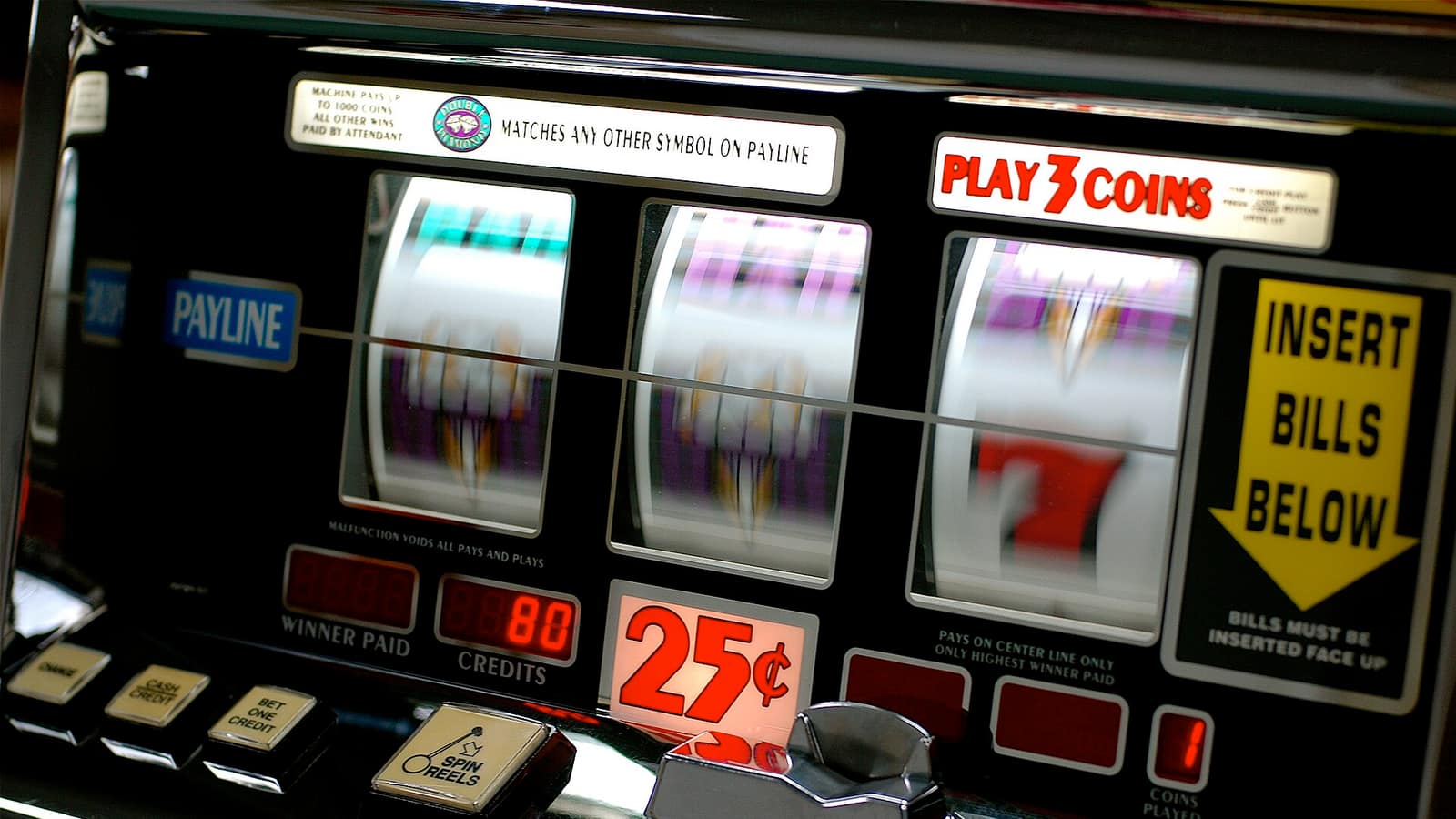
On a physical machine, every reel strip has a fixed number of stops. Online and modern machines use a virtual reel instead. The virtual strip can hold many more positions than you see, and the designer decides how many positions map to each symbol.
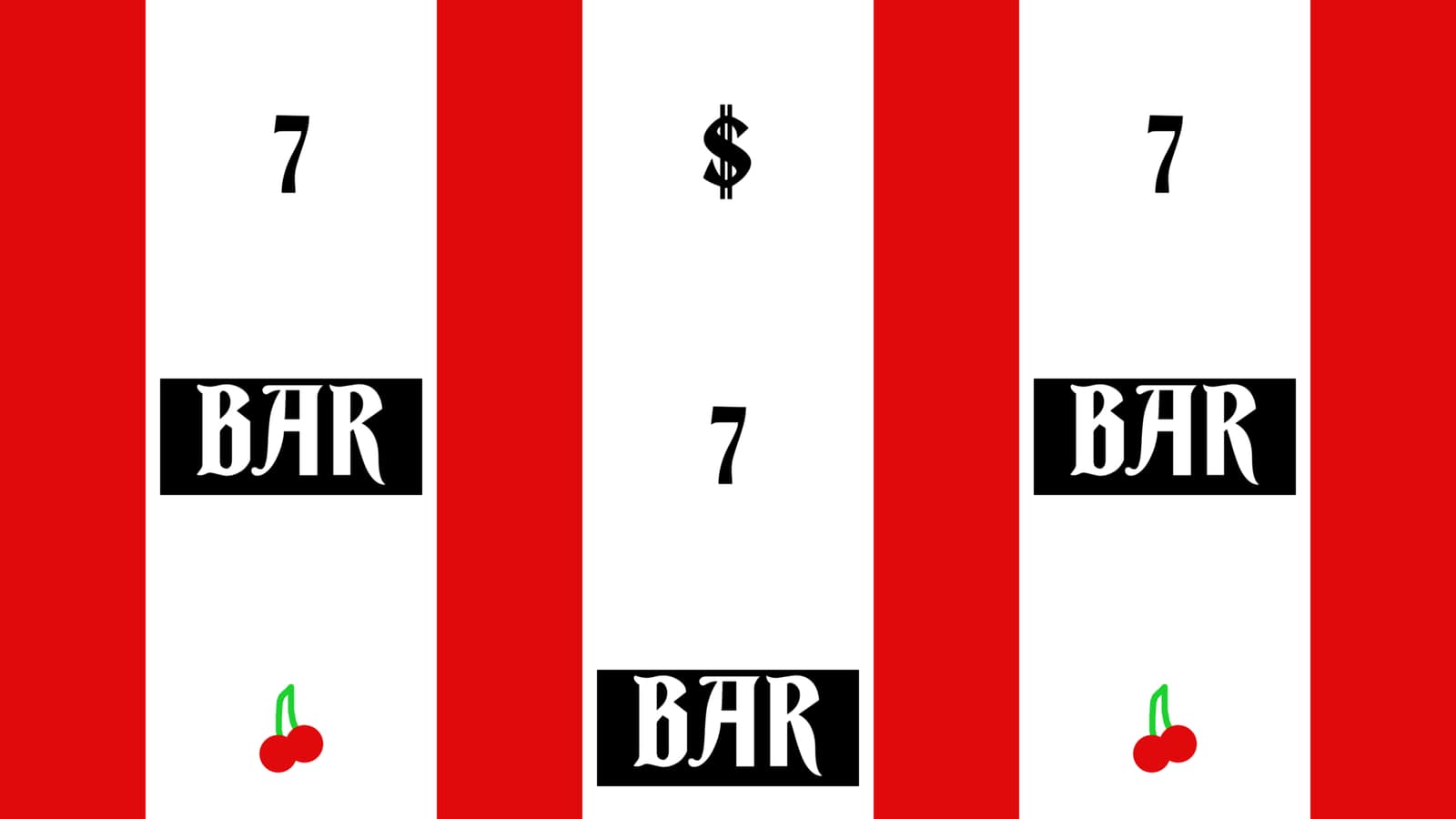
That is called weighting. A top-paying symbol may occupy only a few positions on the virtual reel, while low-paying symbols fill many. The visible reel shows a handful of symbols, but the odds behind them are set by the weights. This is how a designer hits an exact RTP while keeping big wins rare.
That also explains near misses. Two jackpot symbols may show on the payline with the third just above or below, which looks tantalising. The game does not "decide" to show that. The reel stops where the number says, and near misses happen by chance as often as the weights allow.
Paylines, ways and cluster pays
Slots pay in different patterns. Knowing the pattern tells you what a spin can pay.
| Structure | How a win is made | Typical example |
|---|---|---|
| Fixed paylines | Matching symbols along set lines, left to right | 10, 20 or 25 lines on a 5-reel video slot |
| Ways to win | Matching symbols on adjacent reels, in any row | 243 ways (3 x 3 x 3 x 3 x 3) or 1,024 ways |
| Megaways | Reels change height each spin, so ways vary | Up to 117,649 ways |
| Cluster pays | Groups of matching symbols touching each other | 5 or more symbols on a grid |
| Scatter pays | Symbols pay anywhere on the screen | 8 or more symbols, often on a 6x5 grid |
A classic slot uses three reels and one to five paylines. Modern video slots use five or six reels and many more. More paylines do not change the RTP, but they make the stake per spin higher, because each line carries a share of your bet.
We cover the variable-reel system in more detail in our Megaways explained guide.
RTP: the long-run return
Return to player is the percentage of all stakes that a slot is designed to pay back over a very large sample of spins. A typical online slot sits between 94% and 97%. The remainder, 3% to 6%, is the house edge.
Here is a worked example. You play a 96% slot at 1 per spin for 1,000 spins, so you stake 1,000 in total. The expected return is 960, and the expected cost is 40. Real sessions swing a long way from that. You might finish up 300 or down 600, because 1,000 spins is a small sample.
RTP is calculated across the whole game, including the bonus features and jackpots. Most of the return can sit in a rare feature, so ordinary spins pay out less than the headline figure suggests. Some studios publish more than one RTP per game, too, so read the information screen. For a full explanation, see our RTP guide.
Volatility and hit frequency
RTP tells you how much a slot returns. Volatility tells you how it returns it. A low-volatility slot spreads wins into frequent small payouts. A high-volatility slot packs them into rare large ones.
Hit frequency is the simplest way to see the difference. It is the share of spins that return anything.
| Profile | Typical hit frequency | What it feels like | Suits |
|---|---|---|---|
| Low | 30% or more | Frequent small wins, slow balance movement | Small budgets and long sessions |
| Medium | 20% to 30% | A balance of smaller and larger wins | Most players |
| High | Under 20% | Long dry runs, rare large wins | Larger budgets and a taste for swings |
These ranges are indicative, because studios do not publish a standard scale. Treat them as a guide. Some games state a hit frequency, and many describe volatility with a rating or a lightning-bolt scale.
A 30% hit rate sounds generous, but many of those wins are less than your stake. If you bet 1 and win 0.40, that counts as a hit, yet your balance fell. Our slot volatility guide goes into this in more depth.
Bonus features and how slot machines work with them
Overall, features give slots most of their variety. They are all built from the same random draws, so none of them changes the basic maths.
- Wild symbols substitute for other symbols to complete wins.
- Scatter symbols pay anywhere and often trigger a bonus round.
- Free spins give you a number of spins without a stake, often with multipliers.
- Multipliers increase the value of a win, sometimes growing with each cascade.
- Cascades or tumbles remove winning symbols and drop new ones in, allowing chains of wins.
- Expanding or sticky wilds stay on the reels for several spins.
- Bonus buy lets you pay a multiple of your stake to enter the feature at once.
- Progressive jackpots collect a share of every stake into a growing prize.
Each feature is part of the RTP calculation. A slot with a big free spins round usually has a lower base game return to balance it. Our bonus buy guide explains why buying a feature does not improve the maths.
Myths about how slot machines work
However, several beliefs about slots persist despite being wrong. Here are the common ones, and the facts.
"This machine is hot." A hot slot is only a short run of wins. The RNG does not remember them, so the next spin has the same odds as the first.
"It is due a win." A slot that has not paid in 200 spins is no more likely to pay on spin 201. Each spin starts with the same probabilities. Believing otherwise is the gambler's fallacy.
"Casinos change the payout at busy times." Licensed online slots have a fixed, tested RTP. A casino cannot raise or lower it on a whim during a session.
"A bigger bet gives better odds." In nearly all slots, RTP stays the same. Higher stakes only mean higher swings.
"Stopping the reels early helps." The result was fixed when the spin began. Stopping the animation only reveals it sooner.
Do not use these ideas to justify chasing losses. Our casino bankroll management guide covers how to set stakes and limits that suit your budget.
Choosing a slot using the facts
Once you know how slot machines work, you can pick a game in a more informed way. Start with the RTP on the information screen, and prefer games at 96% or higher. Next, match the volatility to your budget. A 100 bankroll lasts far longer on a low-volatility game at 0.50 per spin than on a high-volatility one at 2.
Finally, check which studio built the slot. Our slots hub lists the game types and the providers behind them, and our casino reviews show which operators carry each studio.
Check the RTP
Open the game's information screen and note the stated return to player.
Match volatility to your budget
Pick low or medium volatility for a small bankroll and a longer session.
Set a stake that fits
Divide your session budget by the number of spins you want, and pick a stake from that.
Set limits before you spin
Use the deposit and time limit tools on the casino site and stick to them.
If gambling stops being fun, BeGambleAware offers free and confidential support.
Frequently asked questions
Are online slots random?
Yes. Licensed slots use a certified random number generator that picks the outcome of each spin independently. Independent labs such as GLI, eCOGRA and iTech Labs test the software, and regulators require the results to be unpredictable. Previous spins, the time of day and your stake size do not affect the next result.
What does RTP mean on a slot?
RTP, or return to player, is the share of all stakes a slot pays back over a very large number of spins. At 96%, the game keeps 4% as its edge. It is an average across millions of spins, not a promise for one session. Our what is RTP guide has worked examples.
Can a slot be hot or cold?
No. Each spin is independent, so a slot cannot warm up or cool down. A long dry spell or a cluster of wins looks meaningful, but it is simply variance. The game does not track how much it has paid recently, and it does not adjust the next spin to balance the books.
What is the difference between RTP and volatility?
RTP measures the long-run return. Volatility, also called variance, describes how that return is delivered. A low-volatility slot pays small wins often. A high-volatility slot pays rarely but can pay far more. Two slots with a 96% RTP can feel completely different. Read our slot volatility guide for more.
What is hit frequency?
Hit frequency is how often a spin returns any win at all, usually shown as a percentage or as '1 in X'. A 25% hit rate means one spin in four pays something. Many of those wins are smaller than your stake, so a high hit frequency does not mean you are making money.
Does a bigger bet improve my chances?
In most slots, no. The RTP is the same whatever you stake, so a bigger bet just scales the wins and losses. Some games do change their RTP in bonus-buy mode or across bet levels, so check the game's information screen for the exact numbers.